
"I'm Too Young for Hearing Aids" | Common Misconceptions About Hearing Loss

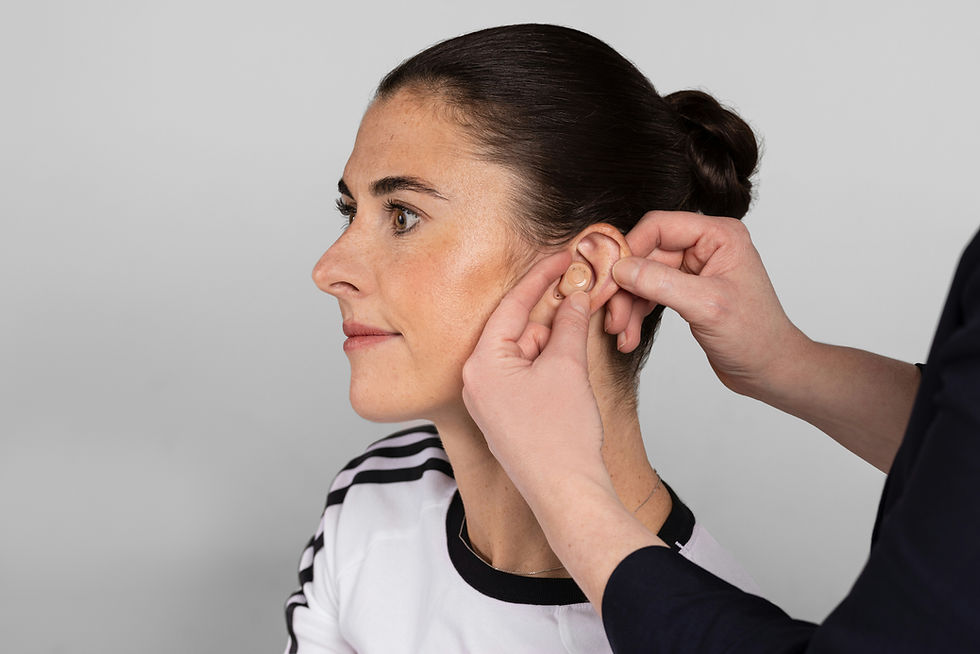
If you've ever caught yourself saying, "I'm too young for hearing aids," you're certainly not alone. Many people assume hearing loss only happens to seniors, but the truth is that hearing loss can affect adults of any age. In fact, millions of Americans under the age of 65 experience some degree of hearing loss and many don't realize it until it begins impacting their work, relationships, and everyday life.
Unfortunately, waiting to address hearing loss often makes the problem worse. Let's look at some of the most common misconceptions and the facts behind them.
Myth 1: Hearing Loss Only Happens to Older People
While age-related hearing loss is common, it's far from the only cause.
Hearing loss can develop because of:
Noise exposure from concerts, power tools, hunting, or loud workplaces
Ear infections or certain illnesses
Genetics
Head injuries
Certain medications
Everyday wear and tear on the delicate structures of the inner ear
According to the National Institute on Deafness and Other Communication Disorders (NIDCD), approximately 15% of American adults aged 18 and over report some trouble hearing.
Myth 2: If I Were Losing My Hearing, I'd Know It
Hearing loss usually happens gradually.
Instead of noticing sounds becoming quieter, your brain slowly adapts, making the changes easy to overlook. Many people don't realize they're missing sounds until a spouse, child, coworker, or friend points it out.
Common signs include:
People seem to mumble
Frequently asking others to repeat themselves
Difficulty hearing in restaurants or group conversations
Turning the TV volume up higher than everyone else prefers
Feeling mentally exhausted after conversations
If any of these sound familiar, a hearing evaluation can provide clear answers.
Myth 3: Hearing Aids Are Big, Bulky, and Obvious
Modern hearing aids have come a long way.
Today's technology is:
Small and discreet
Comfortable enough for all-day wear
Bluetooth-enabled for phone calls and streaming
Able to automatically adjust to different listening environments
Rechargeable, eliminating the need for tiny batteries
Many people are surprised that today's hearing aids are nearly invisible when worn.
Myth 4: Wearing Hearing Aids Means I'm "Old"
This may be the biggest misconception of all.
Think about it this way:
No one thinks twice about someone wearing glasses, contact lenses, or using braces. Hearing aids are simply another tool that helps your body function at its best.
Choosing to hear well isn't a sign of aging—it's a sign that you value your health, your relationships, and your quality of life.
Myth 5: I Can Just Wait Until It Gets Worse
Many people delay treatment for years after first noticing symptoms.
However, untreated hearing loss has been associated with:
Increased listening fatigue
Social withdrawal
Difficulty at work
Greater communication challenges with family and friends
Reduced overall quality of life
Research has also shown that treating hearing loss may help people stay socially engaged and maintain better cognitive health as they age.
The earlier hearing loss is identified, the more options are typically available.
Myth 6: Hearing Aids Will Make Everything Sound "Normal"
Hearing aids aren't a cure for hearing loss, but they are powerful tools designed to improve your ability to hear speech and everyday sounds.
Modern hearing aids are professionally programmed to your specific hearing needs, helping conversations sound clearer while reducing background noise whenever possible.
The goal isn't perfection—it's helping you reconnect with the people and activities you enjoy.
You're Never Too Young to Protect Your Hearing
Whether you're 35, 45, 55, or 75, hearing loss deserves attention.
Addressing hearing concerns early can make conversations easier, reduce frustration, and help you stay connected with family, friends, and the world around you.
If you've noticed changes in your hearing—or if someone close to you has mentioned it—it may be time for a hearing evaluation.
At Healthy Hearing Now, we provide complimentary hearing evaluations in a comfortable, no-pressure environment. Our goal is to help you understand your hearing and discuss solutions that fit your lifestyle—whether that includes hearing aids or simply monitoring your hearing over time.
Take the First Step - Book Today
You don't have to wait until hearing loss interferes with your life.
Schedule your complimentary hearing evaluation today and discover how better hearing can improve your confidence, communication, and overall quality of life.
Because Quality of Life Matters.
Healthy Hearing Now | (757) 431-1999


Comments