
Helping a Spouse Adjust to Hearing Aids | Healthy Hearing Now


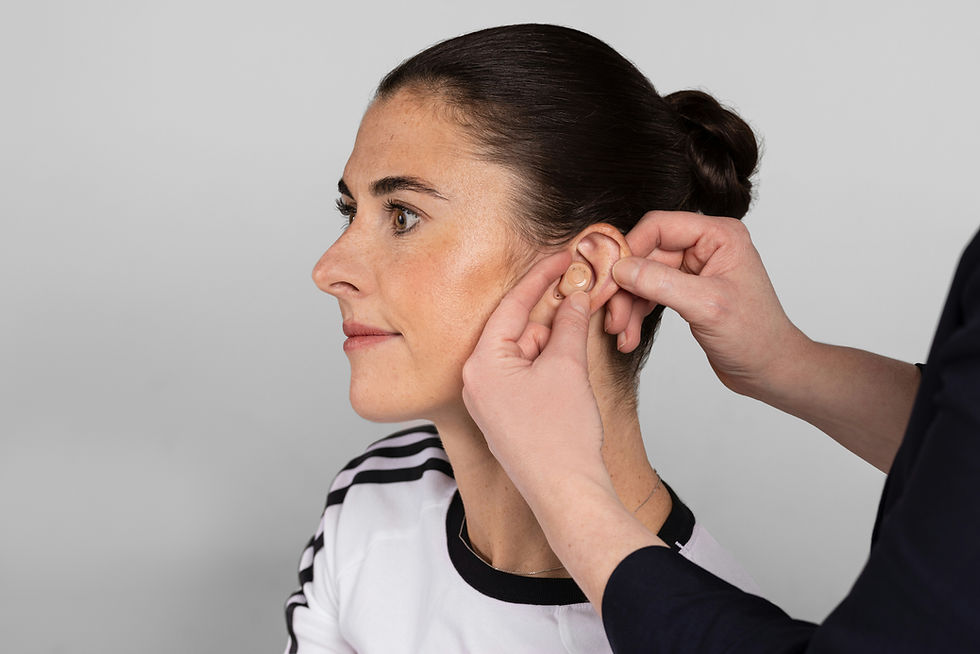
Watching your spouse begin their hearing aid journey can be exciting—but it can also come with challenges. While hearing aids have the potential to improve communication, relationships, and overall quality of life, adjusting to them takes time, patience, and support from loved ones.
If your husband or wife has recently been fitted with hearing aids, your encouragement can make a tremendous difference in their success.
Understand That Adjustment Takes Time
Many people expect hearing aids to work perfectly from day one. In reality, the brain needs time to relearn sounds it may not have heard clearly for months or even years.
Your spouse may notice:
Everyday sounds seem unusually loud.
Their own voice sounds different.
Background noise feels overwhelming.
They become mentally tired after long conversations.
These experiences are completely normal and usually improve with consistent hearing aid use.
Encourage Daily Wear
One of the biggest predictors of success is wearing hearing aids consistently.
Even if your spouse feels tempted to remove them after a few hours, encourage them to gradually increase wear time each day. The more the brain is exposed to sound, the faster it adapts.
Celebrate small milestones instead of expecting perfection immediately.
Practice Good Communication Habits
Hearing aids greatly improve hearing, but they don't eliminate every listening challenge.
You can help by:
Getting your spouse's attention before speaking.
Facing them during conversations.
Speaking clearly at a natural pace.
Reducing background noise when possible.
Moving to a quieter area for important conversations.
These simple habits make communication easier for both of you.
Be Patient During the Learning Process
Some days will feel easier than others. Your spouse may become frustrated if they struggle to hear in restaurants, family gatherings, or noisy environments. Rather than becoming discouraged, remind them that every adjustment appointment helps fine-tune the hearing aids for their specific needs.
Learning to hear again is a process—not an overnight transformation.
Attend Follow-Up Appointments Together
Many spouses find it helpful to attend hearing aid follow-up appointments.
As someone who communicates with your spouse every day, you may notice situations where hearing is still difficult. Sharing these observations with your hearing care provider helps ensure the hearing aids are programmed for real-life listening situations.
Your feedback can be incredibly valuable.
Celebrate the Positive Changes
It's easy to focus on the moments when hearing remains difficult, but don't forget to recognize the improvements.
You may notice your spouse:
Participating more in conversations.
Watching television at a lower volume.
Enjoying family gatherings again.
Feeling more confident socially.
Asking "What?" less often.
Recognizing these wins helps build confidence and reinforces the benefits of wearing hearing aids.
Encourage, Don't Pressure
Some people embrace hearing aids immediately, while others need more time to adjust emotionally.
Avoid criticism or comments like:
"I told you so."
"You still can't hear me."
"You need to wear them all the time."
Instead, offer encouragement:
"I noticed you heard the grandkids much better today."
"Dinner conversation seemed much easier tonight."
"You're doing great getting used to them."
Positive reinforcement goes a long way.
Remember That Hearing Loss Affects Both Partner
Research has shown that untreated hearing loss can affect relationships by increasing communication difficulties, frustration, and social isolation. Fortunately, treating hearing loss often improves communication, relationship satisfaction, and overall quality of life for both partners.
When you approach hearing loss as a team rather than an individual problem, the adjustment process becomes much easier.
Healthy Hearing Starts Together
At Healthy Hearing Now, we know that hearing care isn't just about one person—it's about helping families reconnect through better communication.
Whether your spouse is considering hearing aids for the first time or is adjusting to a new pair, our team is here to provide expert guidance, personalized care, and ongoing support every step of the way.
Schedule your complimentary hearing consultation today and discover how better hearing can strengthen your conversations, relationships, and quality of life.
(757) 431-1999


Comments